

Customers rarely tell you exactly why they leave.
They abandon carts, stop responding, leave vague reviews, or quietly churn—often without raising a support ticket or filling out a survey. By the time the numbers show a problem, the damage is already done.
Most businesses aren’t struggling to collect feedback. They’re drowning in it. Surveys, reviews, chat transcripts, and social comments pile up faster than teams can read, let alone analyze. Important signals get buried, patterns are missed, and customer frustration goes unnoticed.
AI sentiment analysis for customer feedback exists to solve this gap.
By analyzing emotional tone across thousands of customer interactions, AI sentiment analysis helps businesses understand how customers actually feel—not just what they say. Instead of reacting late, teams can spot dissatisfaction early, prioritize issues that matter, and make decisions based on real customer emotion rather than assumptions.
What is Sentiment Analysis in AI?
AI sentiment analysis—also known as opinion mining—uses artificial intelligence and natural language processing (NLP) to identify emotional tone in text data. It classifies feedback as positive, negative, neutral, or mixed while detecting emotional intensity and context.
The global AI sentiment analysis market reached USD 3.60 billion in 2021 and is projected to grow to USD 12.60 billion by 2028, reflecting the rising need for emotion-driven customer insights.
For customer feedback, AI sentiment analysis helps businesses:
- Analyze reviews, surveys, chats, and call transcripts at scale
- Monitor brand sentiment across digital channels
- Identify product features customers like or dislike
- Detect negative sentiment spikes before they escalate
Manual analysis cannot keep up with today’s feedback volume. AI sentiment analysis systems transform unstructured customer feedback into structured insights that guide experience design, product decisions, and brand reputation management.
How AI transforms traditional sentiment analysis methods
Traditional sentiment analysis relied on rule-based systems and static lexicons. While fast, these methods struggled with sarcasm, context, and evolving language.
AI sentiment analysis improves accuracy through:
- Machine learning models that learn sentiment patterns from labeled customer feedback
- Deep learning and transformers (BERT, GPT, RoBERTa) that understand context, tone, and nuance
- Hybrid approaches combining rules for speed and AI for contextual depth
Modern AI sentiment analysis supports:
- Fine-grained sentiment scoring
- Emotion detection beyond positive/negative
- Aspect-based sentiment analysis for specific product features
| Type | What It Detects | Why It Matters |
|---|---|---|
| Polarity-based | Positive, negative, neutral | Quick sentiment overview |
| Fine-grained | Very positive → very negative | Measures intensity |
| Emotion-based | Frustration, joy, anger | Understands motivation |
| Aspect-based | Sentiment by feature | Improves product decisions |
These advancements allow businesses to understand customer emotions with far greater accuracy—without manual effort.
How AI Sentiment Analysis Tools Work
AI sentiment analysis tools work through a sophisticated technical framework that processes and interprets human language with remarkable precision. Three core technologies work together in modern sentiment analysis systems to decode customer emotions from text.
Natural Language Processing (NLP) in sentiment detection
NLP prepares customer feedback for analysis by:
- Cleaning and structuring text
- Tokenizing and lemmatizing words
- Removing irrelevant stop words
This allows AI systems to recognize emotional patterns and contextual meaning.
Machine learning models for sentiment classification
Machine learning algorithms handle the actual sentiment classification after NLP prepares and processes the text. Different algorithms take unique approaches to detect sentiment:
Supervised Learning Models These algorithms study patterns from labeled examples to classify new data. Popular classification algorithms include:
- Naive Bayes: A probabilistic classifier that calculates each word or phrase's likelihood of being positive or negative based on previous examples
- Support Vector Machines (SVM): Creates optimal boundaries between sentiment categories to separate positive from negative content effectively
- Logistic Regression: Predicts sentiment as a dependent variable using features extracted from text
Deep Learning Models Advanced sentiment analysis uses neural networks that mirror human brain function:
- Convolutional Neural Networks (CNNs): Identify local patterns in text to extract sentiment
- Recurrent Neural Networks (RNNs): Process word sequences while maintaining context across sentences
- Transformers: Models like BERT, RoBERTa, and GPT analyze words in relation to their entire context, which dramatically improves accuracy in detecting subtle emotional cues
These machine learning models train on massive datasets of labeled text. They get better at recognizing patterns associated with different sentiments as they process more examples. The models become fluent in understanding contextual nuances, sarcasm, and industry-specific language.
Hybrid approaches: Combining rule-based and ML techniques
Advanced sentiment analysis tools use hybrid approaches that combine rule-based systems with machine learning to get optimal results.
Rule-based systems depend on predefined lexicons and linguistic rules to classify sentiment. They look for words from positive or negative lexicons and calculate sentiment scores based on these words' frequency and intensity. Words like "affordable," "fast," and "well-made" might appear in positive lexicons, while "expensive," "slow," and "poorly made" would appear in negative ones.
Rule-based systems offer speed and transparency but struggle with context, sarcasm, and language development. So, combining them with machine learning creates more reliable solutions that balance:
- Speed: Rule-based components deliver live analysis
- Accuracy: ML components handle complex emotional nuances
- Adaptability: Continuous learning from new data
- Domain specificity: Customized analysis for particular industries or contexts
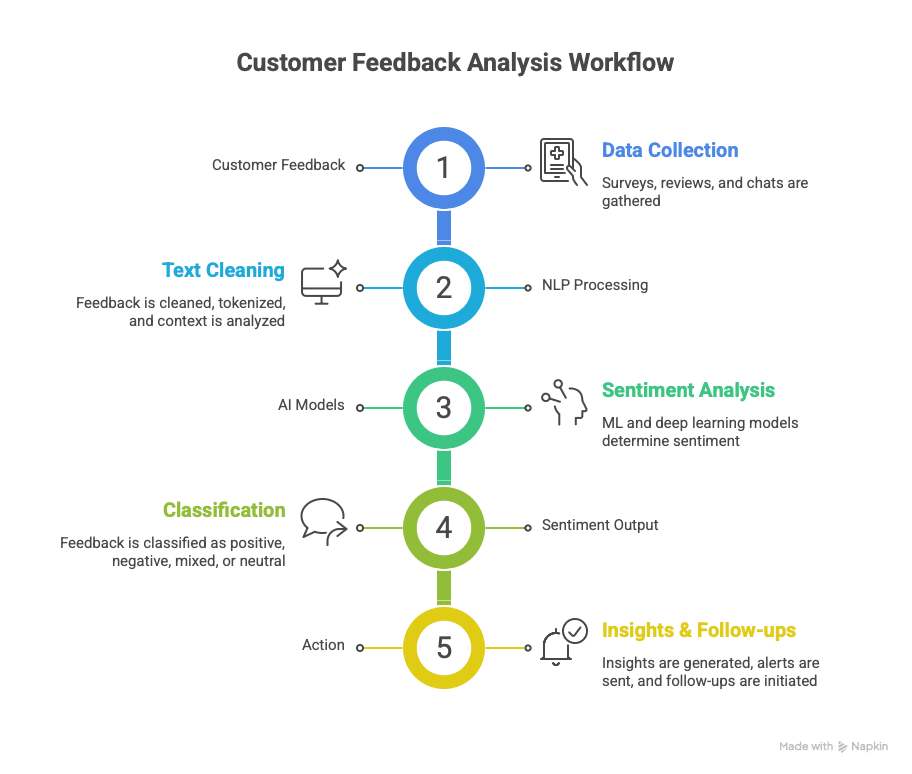
SurveySparrow's AI sentiment analysis platform uses this hybrid approach. This is where Echo helps teams move from sentiment insights to real-time follow-ups and action. It combines rule-based processing for efficiency with machine learning for deeper contextual understanding of customer emotions across feedback channels.
These three technical components work together - NLP for processing, machine learning for classification, and hybrid approaches for optimization. Modern AI sentiment analysis tools turn raw customer feedback into useful emotional insights that drive business decisions.
Understanding sentiment is powerful—but acting on it automatically is where real impact happens.
Top AI Sentiment Analysis Tools for Customer Feedback
The right AI sentiment analysis tool can help you understand customer feedback instead of just collecting it. These solutions can turn customer comments into useful insights. AI sentiment analysis tools vary from API-driven platforms to end-to-end customer feedback systems. Below are some of the most widely used tools for analyzing customer sentiment. Some platforms analyze sentiment, while others—like SurveySparrow with Echo—are designed to act on it.
SurveySparrow's AI Sentiment Analysis Platform
SurveySparrow's sentiment analysis feature groups customer feedback into four emotional states: positive, negative, mixed, and neutral. The platform's AI breaks text into smaller pieces and analyzes them to find hidden emotions and underlying sentiment. This detailed breakdown helps you tell the difference between customers who are "very happy" and those who just find your service "okay." The platform also shows a word cloud that tracks emotional changes over time, so you can see how your improvements affect customer sentiment. SurveySparrow's strength lies in its ability to connect feedback from different channels through omnichannel listening, which breaks down the data barriers between customer touchpoints.
Echo by SurveySparrow extends this capability with AI agents that actively listen, probe deeper, and surface meaningful feedback—ensuring customer sentiment doesn’t just get analyzed, but truly understood and acted on.
14-day free trial • Cancel Anytime • No Credit Card Required • No Strings Attached
IBM Watson Natural Language Understanding
IBM Watson finds emotions like joy, anger, sadness, and fear in text, which makes it perfect for detailed feedback analysis. The platform's sentiment analysis can review both overall document sentiment and specific targets. Watson helps businesses spot customer emotions with great accuracy, reaching 92.1% accuracy in sentiment detection based on IBM's internal studies.
Google Cloud Natural Language API
Google Cloud's Natural Language API gives both sentiment score and magnitude values to separate neutral text from mixed opinions. The sentiment scores go from -1 (negative) to +1 (positive), while magnitude shows emotional intensity whatever the direction. This two-part approach helps tell the difference between truly neutral feedback and reviews that have both good and bad points.
Microsoft Azure Text Analytics
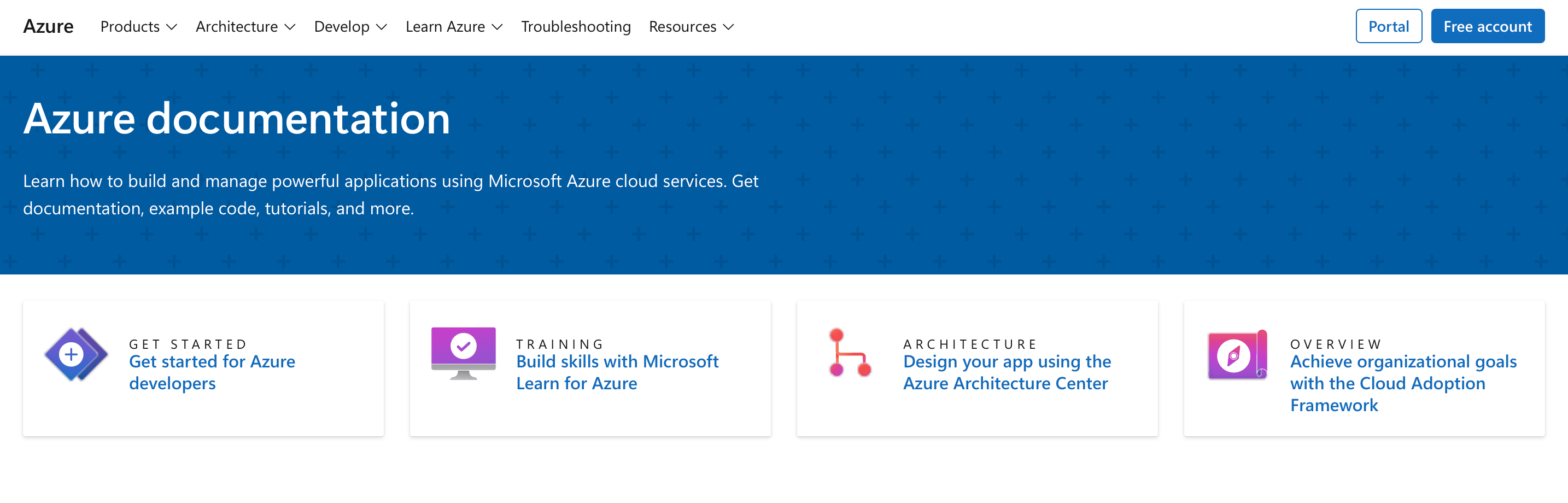
Azure's Text Analytics labels sentiment (positive, neutral, negative) for both documents and sentences. Azure's Opinion Mining feature can handle mixed opinions like "The food was great, but the service was unfriendly" by finding specific targets (food, service) and their ratings (great, unfriendly). This detailed analysis helps identify specific areas of products or services that need work.
Hugging Face Transformers
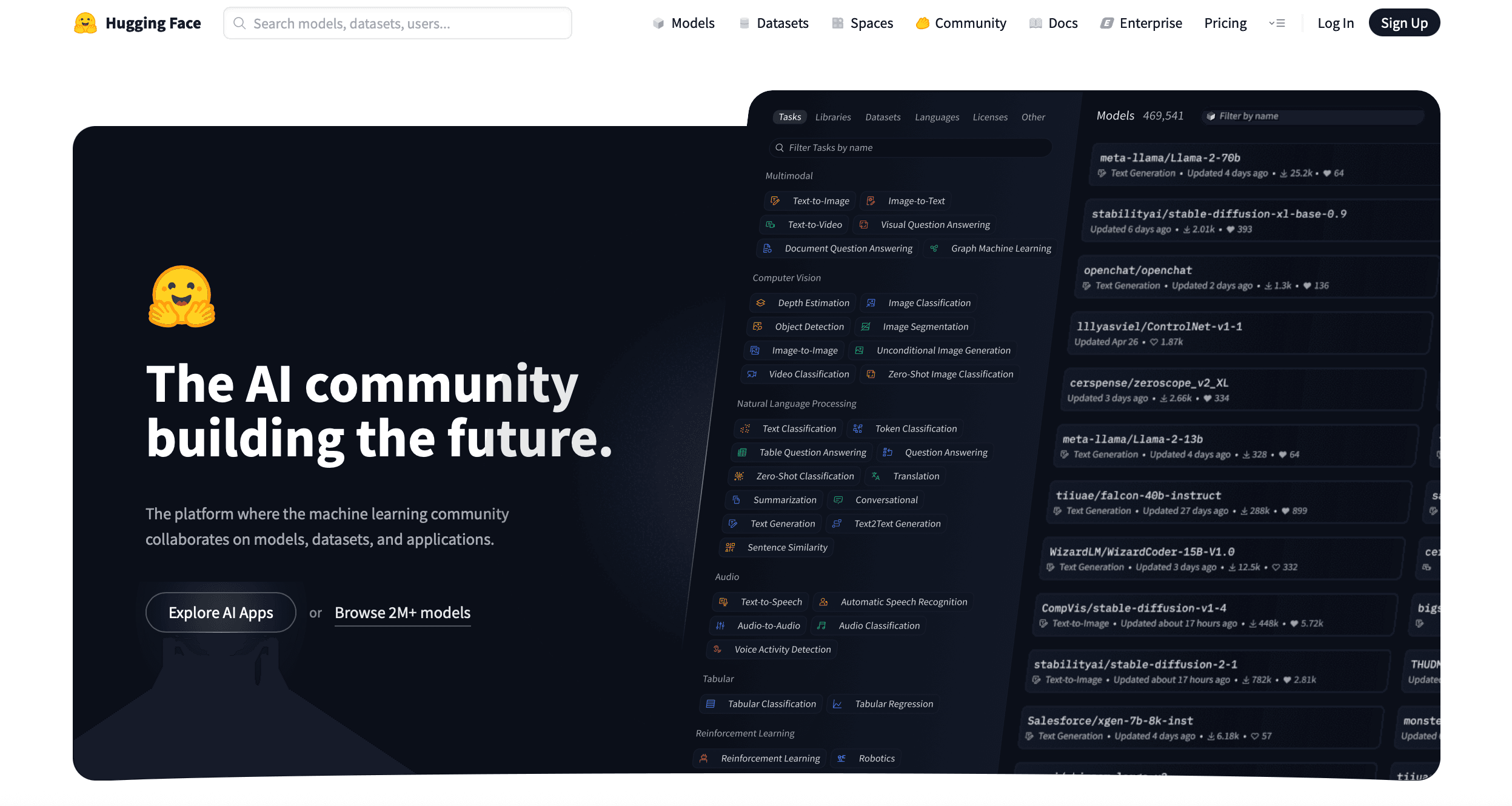
Hugging Face makes sentiment analysis available to everyone with its Transformers library - you only need five lines of code to detect sentiment. The platform has more than 215 sentiment analysis models for different languages and uses, including special models for social media content and multiple languages. Its simple approach makes advanced sentiment analysis available even if you don't know machine learning.
RapidMiner
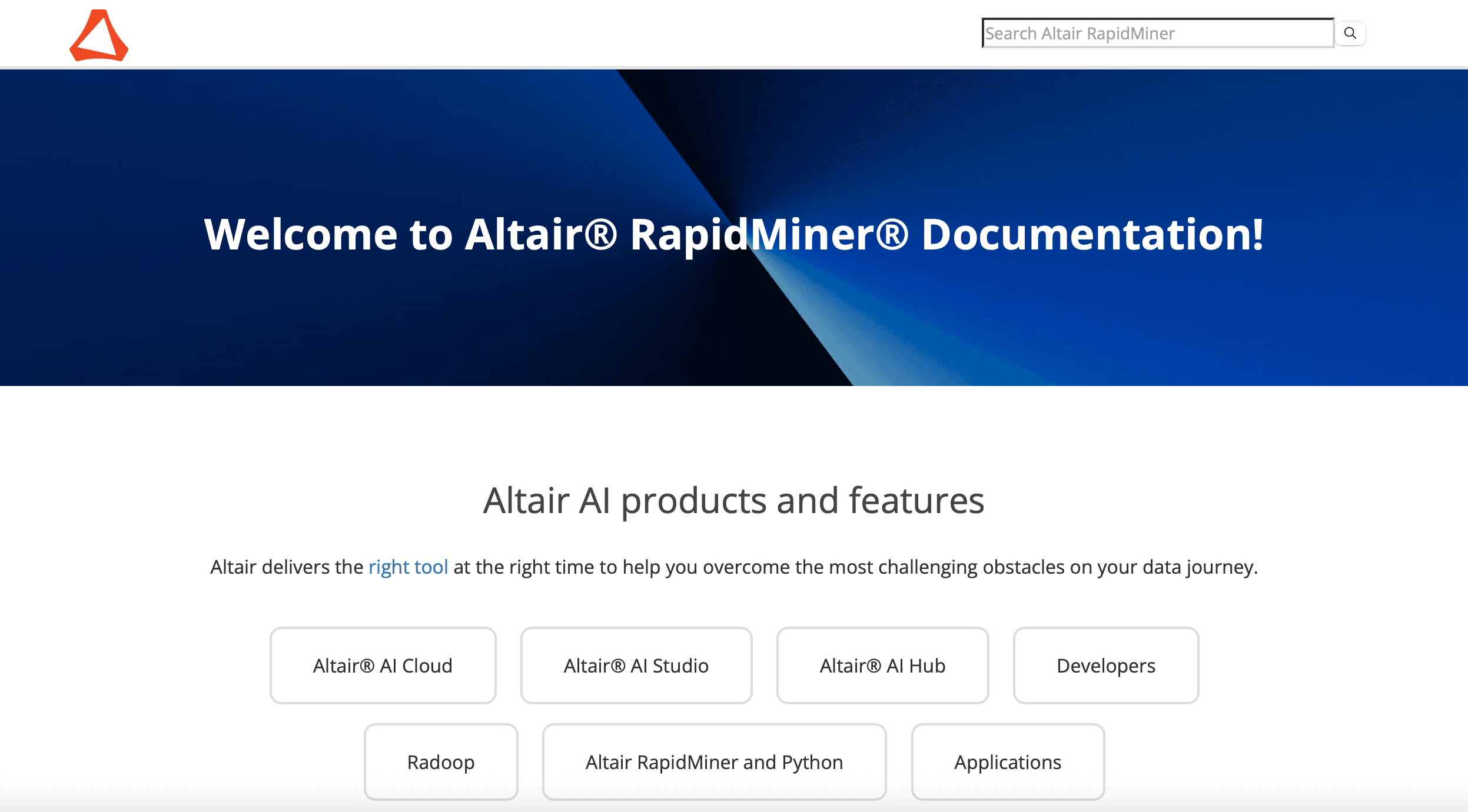
RapidMiner comes with several sentiment analysis options including SentiWordNet, VADER, Aylien, and MeaningCloud integration. The platform shines with its visual workflow design that lets non-programmers build sentiment analysis models without coding. Marketing teams find this especially useful when they want to understand product sentiment without technical knowledge.
Benefits of Using AI Sentiment Analysis Tools
AI sentiment analysis affects businesses well beyond simple text classification. Companies that use these tools see major improvements in customer experience, retention, and product development. Let's look at how these powerful systems create real business value.
Real-time sentiment tracking across channels
AI sentiment analysis turns scattered feedback into useful insights instantly. Businesses can now track customer emotions in real-time across all digital touchpoints instead of waiting weeks for manual analysis. This real-time capability detects sudden sentiment changes within minutes rather than days. Teams can step in right away when problems surface. To cite an instance, when customers don't like a new feature, teams can fix issues before they damage the brand's reputation. Quick visibility helps reduce customer losses by spotting at-risk customers early.
14-day free trial • Cancel Anytime • No Credit Card Required • No Strings Attached
Improved accuracy in detecting tone and emotion
AI-powered analysis captures emotional subtleties with remarkable precision, unlike simple tools that only sort feedback as positive or negative:
- Spots subtle emotional signs like frustration, confusion, and delight
- Understands sarcasm and context that basic systems miss
- Finds specific emotions that drive customer decisions
These advanced systems are mostly accurate in classifying emotions. Companies can now understand both what customers say and their true feelings.
Scalability for large-scale customer feedback
Today's businesses generate huge amounts of feedback that would overwhelm old analysis methods. AI sentiment platforms handle thousands of interactions at once across surveys, reviews, social media, and support conversations. The system analyzes all feedback as your business grows. Tasks that once took 4-8 hours now take less than 10 minutes. Teams can focus on using insights rather than gathering them.
Benchmarking sentiment across competitors
AI's most valuable feature is its ability to standardize sentiment data across competitors to provide critical market intelligence. Advanced systems compare how audiences feel about your brand versus key competitors. Your company can identify where it leads or falls behind in customer perception. This competitive benchmarking is 94% reliable across various sources. It links sentiment trends to business results like traffic and conversions. Companies can make strategic choices about strengthening their message or defending market position based on emotional responses to their products.
What AI Sentiment Analysis Enables
| Business Area | Impact |
|---|---|
| Customer Experience | Faster issue resolution |
| Product Teams | Feature prioritization |
| Support | Proactive intervention |
| Marketing | Message optimization |
How to Implement AI Sentiment Analysis in Your Workflow
AI sentiment analysis needs a well-laid-out approach to blend with your current processes. A systematic implementation plan helps you get the most value from customer feedback data.
Integrating SurveySparrow with your feedback system
The first step to AI sentiment analysis is connecting your feedback sources. SurveySparrow's API lets you transfer data from any survey to any configured URL with minimal effort. You can create a custom variable (such as 'contactID') for CRM integration that adds customer identifiers into your survey URLs. This helps track responses to specific customer profiles. The result is a complete feedback loop where sentiment insights enhance your customer data automatically.
You can start today with SurveySparrow:
14-day free trial • Cancel Anytime • No Credit Card Required • No Strings Attached
Setting up sentiment dashboards and alerts
Visualization is a vital part after integration. Build dashboards that show immediate sentiment trends from different feedback channels. These should track emotional changes and highlight sudden shifts that need quick action. Companies that use AI-powered media monitoring handle PR crises 25% faster than others. You should configure sentiment alerts for negative feedback spikes to take action before problems grow.
Training models with domain-specific data
Industry-specific data significantly improves the accuracy of sentiment models. Domain-trained AI understands your field's unique terminology and context better than generic models. Your models become more effective when you train them with industry documents, customer conversations, and sector-specific examples. This helps them learn unique language patterns. Such customization leads to more precise sentiment analysis and fewer errors from unrelated data.
Using sentiment trends to inform product decisions
The end goal turns sentiment data into meaningful action. Sentiment analysis identifies features that create positive emotional responses and helps prioritize development. Product teams can improve based on emotional patterns instead of scattered feedback. Organizations can spot market trends through unstructured social channel data. This creates an ongoing improvement cycle based on customer emotions.
Conclusion
AI sentiment analysis marks a major step forward in helping businesses learn what customers really think. This piece shows how AI turns scattered feedback into practical business insights. Up-to-the-minute analysis of thousands of customer interactions gives companies an edge over their competitors.
Simple rule-based systems have given way to sophisticated AI models. These models now detect emotional nuances with amazing precision. They can spot sarcasm and context-dependent expressions accurately. You'll know exactly which product features your customers love or hate instead of getting vague feedback.
The most valuable aspect is how businesses can now track sentiment across multiple channels in real time. Problems that once took weeks to surface now trigger instant alerts. Your team can jump on issues right away and show customers you care about their satisfaction.
Looking for a sentiment analysis tool? You'll want one that goes beyond simple positive/negative sorting. SurveySparrow's platform does this well. It sorts feedback into four emotional states and digs deep to find hidden sentiments. The platform also connects feedback from different sources, breaking down the usual barriers between customer touchpoints.
Setting up these systems takes planning but pays off quickly. Once you connect your feedback sources, build custom dashboards, and train your models, you can turn sentiment data into action. Teams can focus on improvements based on emotional patterns rather than random feedback. This creates an ongoing cycle of growth driven by real customer feelings.
AI sentiment analysis technology keeps getting better. The core purpose stays the same - understanding customer feelings about products and services. These emotional insights build stronger relationships with customers. They boost retention rates and help grow business through customer-focused decisions.
You can start small, but don't wait too long. Understanding customer emotions at scale becomes more crucial every day. Consumers expect brands to hear and respond to their feedback meaningfully. Your business deserves the deep insights that advanced sentiment analysis provides.